October 4, 20268 min readCommercial & Construction

Building new residential homes, multi-family developments, or light commercial facilities in Anchorage presents distinct mechanical challenges unseen in lower-48 construction. Between sub-arctic freeze lines reaching up to 10 feet in glacial soils, strict Municipality of Anchorage (MOA) code amendments, and short framing windows before winter freeze-up, plumbing engineering requires meticulous upfront planning.
Whether you are a licensed general contractor bidding an upcoming residential subdivision or a property owner self-managing a custom home build in South Anchorage or the Hillside, this guide details the essential phases of new construction plumbing, local code milestones, cold-climate freeze mitigation, and realistic cost benchmarks.
The Three Critical Phases of New Build Plumbing
A successful new construction plumbing project proceeds through three clearly defined stages that must synchronize perfectly with excavation, concrete pouring, framing, and drywall schedules:
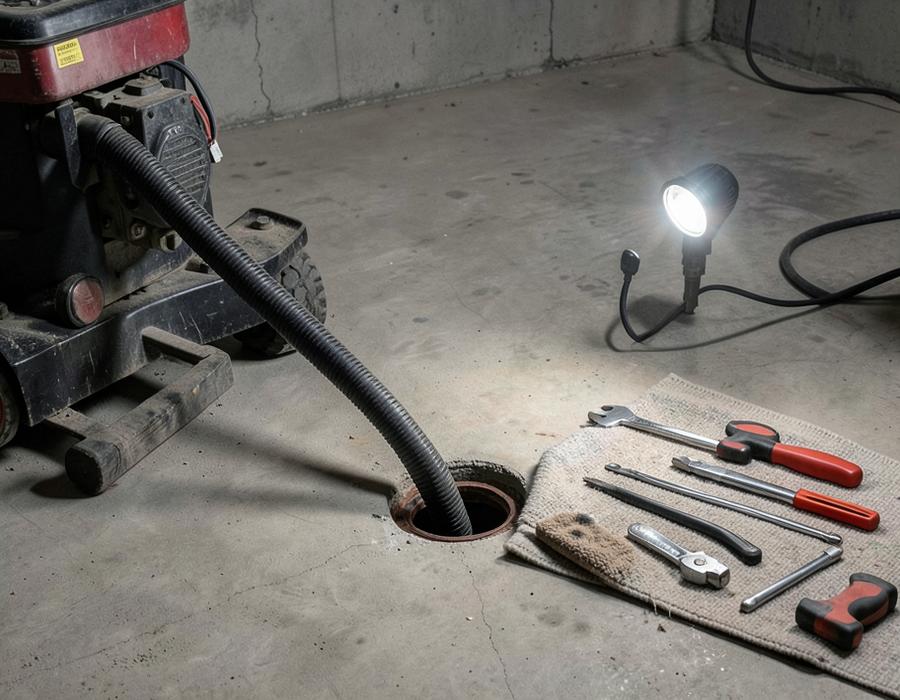
Phase 1: Underground & Sub-Slab Groundwork (Ground Rough). Before gravel compaction and concrete slab pouring, plumbers trench and lay underground building sewer lines, main water service entrances, floor drains, and below-slab drain-waste-vent (DWV) piping. In Southcentral Alaska, sewer exit depths and backwater check valves are critical to prevent city sewer surcharges during spring thaw.
Phase 2: Rough-In Plumbing (Top Rough). After the building envelope is framed and roofed—but before insulation and drywall—plumbers run all vertical and horizontal DWV stacks, roof vent penetrations (increased to minimum 3-inch pipe at the roof line to prevent frost closure), hot and cold water supply lines, gas distribution piping for ENSTAR meter sets, and tub/shower rough-in valves.
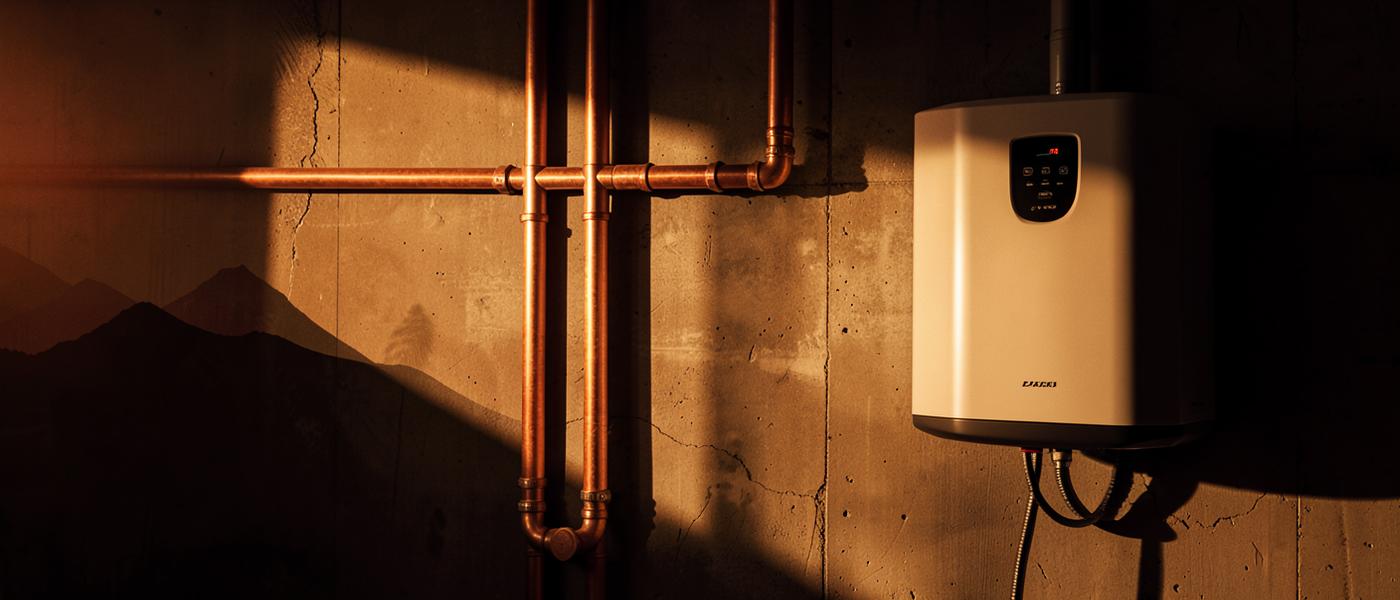
Phase 3: Trim-Out & Finish Fixtures. Following painting, tile work, and cabinet installation, plumbers set all finish fixtures: high-efficiency toilets, undermount sinks, faucets, garbage disposals, dishwashers, water heaters, and hydronic heating manifolds. The system undergoes final high-pressure testing before municipal inspectors sign off on the Certificate of Occupancy (CO).
Municipality of Anchorage (MOA) Plumbing Codes & Inspections
Plumbing in Anchorage is governed by the Uniform Plumbing Code (UPC) with specific local amendments adopted under Anchorage Municipal Code (AMC Title 23). Licensed plumbing contractors must secure permits through MOA Development Services prior to commencing work.
Mandatory inspection milestones include: (1) Ground rough inspection requiring an airtight 5 PSI pressure test or a 10-foot head of water test; (2) Top rough framing inspection where all water distribution lines are pressure-tested to 100 PSI and gas piping is tested to 10–30 PSI; and (3) Final plumbing inspection verifying proper fixture trap seals, anti-siphon protection, and combustion air intake clearances.
Additionally, Anchorage is classified in Seismic Design Categories D and E. All water heaters, storage tanks, and suspended hydronic boilers must feature approved seismic restraint strapping engineered to resist seismic acceleration without fracturing gas or water connections.
Cold-Climate Engineering: Preventing Freeze Failures Before Drywall
The most critical architectural rule for new construction plumbing in Alaska is zero supply piping in exterior walls. Any domestic water supply line installed on the exterior cold side of wall insulation is virtually guaranteed to freeze during sustained sub-zero January cold snaps.
Best practice involves designing dedicated interior plumbing chases, routing supply lines through interior partition walls, and keeping horizontal runs below heated ceiling plenums or within conditioned floor trusses.
For pipe material, modern new construction exclusively utilizes PEX-a (cross-linked polyethylene using cold-expansion ASTM F1960 sleeves) rather than rigid copper or cheaper crimp PEX. PEX-a expands up to 300% of its diameter without splitting, providing vital freeze resilience if a building loses temp heat during winter framing phases.
New Construction Plumbing Costs in Anchorage (2026 Benchmarks)
New construction plumbing costs in Anchorage reflect regional freight costs, skilled labor demand, and climate-specific insulation specifications. Current contractor pricing benchmarks include:
• Single-Family Custom Homes: $4.50 to $8.50 per square foot for complete rough-in and finish trim-out, translating to $12,000 to $26,000 for a standard 2,200 to 2,800-square-foot home with 2.5 to 3.5 bathrooms.
• Multi-Family Duplexes & Fourplexes: $5,500 to $9,500 per residential unit, benefiting from shared wet walls and consolidated utility services.
• Underground Water & Sewer Lateral Connections: $4,500 to $12,000+ depending on street cut requirements, excavation depth, and distance to Anchorage Water and Wastewater Utility (AWWU) mains.
Key variables that increase project costs include luxury multi-head walk-in showers, radiant floor heating integration into the boiler system, gas fireplace drops, and whole-house water filtration loops.
Selecting a Trusted New Build Plumbing Contractor in Anchorage
General contractors and commercial developers should verify that their mechanical subcontractor holds an active State of Alaska Mechanical Administrator license, Anchorage Municipal Contractor licensing, and comprehensive commercial liability insurance.
A professional new construction plumbing partner provides detailed blueprint take-offs, adheres to strict framing inspection deadlines, maintains continuous communication with general contractor project managers, and offers structured warranty coverage after homeowner move-in.
Need this handled rather than explained?
Call (877) 570-8952Related Commercial & Field Services
Full residential new build plumbing, underground rough-ins, and fixture trim-out.
Multi-family complexes, retail corridors, and industrial mechanical contractor builds.
Modern PEX-a water distribution system engineering and whole-building piping overhauls.
Interactive Sizing & Diagnostic Calculators
Calculate required water closets, lavatories, and fixture units according to commercial building codes.
Estimate BTU requirements and pipe runs for residential gas appliances and heating equipment.
View itemized labor rates, equipment allowances, and neighborhood dispatch estimates in our comprehensive guide.