
Water Leak Detection in Anchorage, AK
907 Heating and Plumbing provides professional water leak detection in Anchorage, Alaska and surrounding communities within a 50-mile radius. When moisture, unexplained water usage, or staining suggests a concealed plumbing leak, our technicians use diagnostic methods selected for your plumbing system to help narrow the suspected leak area before repairs begin. Call (877) 570-8952.
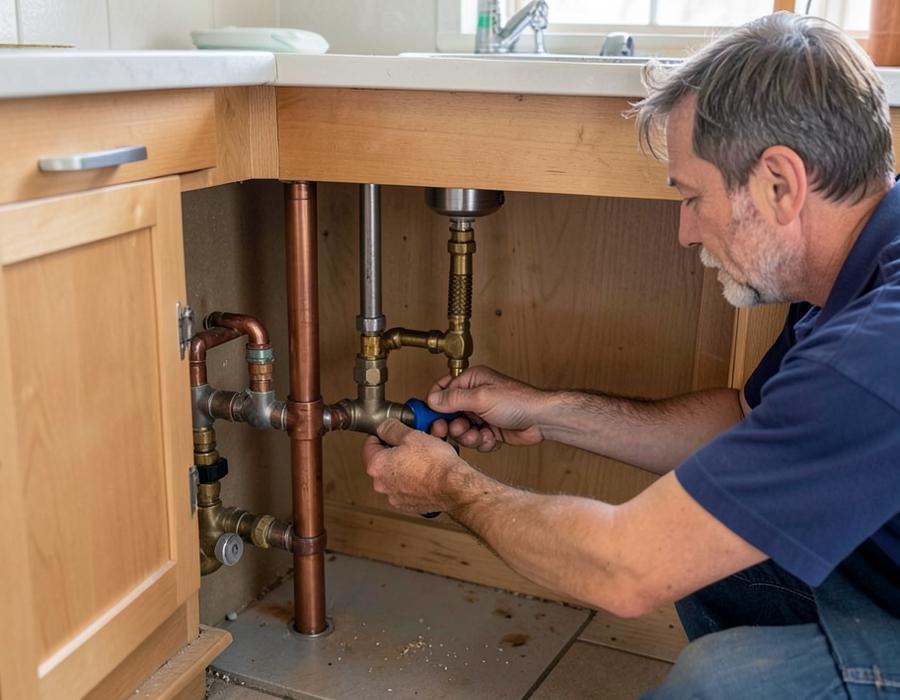
Active Water Leak Safety Steps
When water escapes inside a building, taking low-risk protective steps helps prevent property damage while professional diagnostics are arranged:
- Stop Using Affected Fixtures: Stop using the affected fixture if possible.
- Limit Overall Water Use: Limit water use if the source is unknown. If significant water is escaping and a normal indoor main water shutoff is safely accessible without entering a hazardous area, the water supply may be isolated.
- Stay Clear of Electrical Hazards: If water is near outlets, wiring, light fixtures, appliances, or electrical panels, keep away from the affected area and contact appropriate emergency/electrical professionals. Stay away from pooled water near electrical equipment.
- Protect Personal Belongings: Move valuables only if it can be done safely without exposure to electrical equipment or saturated building materials.
- Note Observation Details: Note visible stains, sounds, or moisture areas to provide helpful context to our technicians.
- Call Professional Plumbing Dispatch: Contact 907 Heating and Plumbing at (877) 570-8952 for diagnostic leak evaluation and pipe restoration.
Visible Leak or Hidden Leak?
Understanding whether your plumbing issue is visible or concealed helps determine the appropriate service workflow:
Visible Pipe Leaks
If water is visibly dripping from an exposed pipe joint, sink drain, or connection under a cabinet, diagnostic locating is typically unnecessary.
- Dripping supply valves under sinks
- Visible corrosion on exposed basement piping
- Physical fractures seen on exposed pipes
Concealed / Hidden Leaks
If there are signs of water damage but the exact plumbing source cannot be seen, diagnostic leak detection helps narrow the location before unnecessary wall or floor opening is considered.
- Water stains expanding on ceilings or drywall
- Unexplained increases in monthly water usage
- Damp crawlspaces without an obvious water origin
- Warm patches on concrete or tiled floors
Common Signs of a Concealed Plumbing Leak
Concealed leaks often produce subtle warning signs before significant moisture surfaces. These symptoms can suggest an active plumbing issue that warrants investigation:
Unexpected Water Bill Increases
A steady rise in water consumption without a change in household habits or seasonal use can indicate that pressurized water is continuously escaping somewhere within the plumbing system.
Unexplained Meter Movement
Unexpected water use or meter movement when normal household fixtures are not being used can suggest unexplained water flow within the plumbing system.
Drywall Discoloration & Staining
Moisture escaping within wall cavities or floor assemblies can travel along framing, producing discolored patches, peeling paint, bubbling tape, or sagging ceiling drywall.
Floor & Wall Temperature Anomalies
In homes with in-floor piping or domestic hot water lines, localized warm areas on tile, concrete, or vinyl flooring can suggest heated water escaping beneath the surface.
Concealed Leak Locations We Diagnose
Our technicians evaluate plumbing configurations across common structural locations in Anchorage homes and commercial properties:
In-Wall & Ceiling Plumbing
Concealed domestic water lines inside partition walls, chase cavities, and floor joist spaces above finished ceilings.
Crawlspace & Subfloor Piping
Water lines routed through unconditioned or semi-conditioned crawlspaces that can be affected by cold drafts or settling.
Concrete Slab & Foundation Lines
Properties with domestic supply lines or hydronic heating loops routed through or beneath concrete foundation slabs.
Private Water Service Lines
Suspected leaks along the private water service line between the property keybox and the building entrance.
How Diagnostic Leak Detection Works
Methods are selected based on the suspected leak location and plumbing system. Diagnostic methods can help narrow a concealed leak before unnecessary wall or floor opening is considered, and may include:
Acoustic Listening Methods
Diagnostic methods may include acoustic listening equipment to listen along accessible pipe paths and structural surfaces where pressurized water sounds may be present.
Thermal & Infrared Diagnostics
Diagnostic methods may include thermal imaging to evaluate subtle temperature differences on wall, ceiling, or floor surfaces where concealed hot water or heating lines run.
Electronic Moisture Testing
Moisture testing can help evaluate moisture boundaries in drywall, subfloors, and framing to understand the path of water travel before surface opening is considered.
System Static Pressure Testing
Pressure testing of isolated plumbing sections helps verify whether a closed pipe system is holding pressure.
Private Water Lines & Utility Service Boundaries
For properties connected to the Anchorage Water and Wastewater Utility (AWWU), maintenance responsibility is typically divided at the keybox (curb stop valve) near the property line:
- Utility Infrastructure: AWWU maintains the public water main and the service connection up to and including the curb stop keybox. Under utility rules, only authorized utility personnel may operate the keybox valve.
- Private Plumbing: The property owner is responsible for the private water service line extending from the keybox into the building.
If an underground leak is suspected between your property boundary and the building, our technicians can evaluate the private water service line and coordinate repair options once utility status is verified.
Anchorage Climate & Environmental Factors
Plumbing systems in Southcentral Alaska face unique environmental stressors that can contribute to concealed pipe failures:
Freeze-Related Stress & Thawing
Sub-zero winter temperatures can freeze water inside supply lines, particularly in unconditioned crawlspaces or exterior-wall cavities. Freeze damage often remains hidden until pipes thaw and water flow returns.
Ground Movement & Structural Settling
Seasonal frost heave, soil expansion, and regional seismic activity can stress rigid pipe joints and fittings where plumbing lines enter foundations or travel beneath slabs.
If water is leaking around a water heater tank, temperature and pressure relief valve, or heater connections, visit our dedicated water heater repair service.
Leak Detection vs. Pipe Repair
Resolving a concealed water leak involves two distinct phases:
Where Is the Leak Coming From?
Diagnostic testing isolates the affected line, checks system pressure, and uses acoustic or thermal methods to identify the probable location of the failure before cutting or opening surfaces.
How Is the Pipe Fixed?
Once the leak coordinate is identified, technicians create targeted access to the pipe section, remove the damaged segment, install replacement piping, and verify system integrity under pressure.
Serving Anchorage & Surrounding Communities
Our plumbing service technicians dispatch throughout the Anchorage Bowl and surrounding communities within our 50-mile service radius:
Frequently Asked Water Leak Detection Questions
Common questions about diagnostic water leak detection and pipe restoration in Anchorage:
- What are signs of a hidden plumbing leak?
- Common signs of a concealed water leak include unexpected increases in municipal water bills, unexplained water meter movement when fixtures are not being used, damp or discolored areas on drywall or ceilings, warm patches on floors, the sound of running water when fixtures are idle, or persistent musty odors in basements and crawlspaces.
- What is the difference between leak detection and pipe repair?
- Leak detection is the diagnostic process of locating where a concealed plumbing failure has occurred before unnecessary wall or floor opening is considered. Pipe repair is the subsequent physical work of accessing the identified pipe section, cutting out the damaged tubing, and installing replacement piping and fittings.
- Can a leak sometimes be located before opening a wall?
- Diagnostic methods can help narrow a concealed leak before unnecessary wall or floor opening is considered. Techniques such as acoustic listening, thermal imaging, or moisture testing are selected based on the property and plumbing layout to evaluate suspected areas before targeted access is made for physical repair.
- When does an active leak require emergency plumbing?
- An active leak requires emergency plumbing when water is flowing uncontrolled, when ceiling or structural collapse is threatened, when water is near electrical panels or wiring, or when the main shutoff valve cannot stop the flow. For active flooding situations, contact our 24/7 emergency dispatch team.
- Can freeze damage cause a hidden leak after thawing?
- Yes. When water freezes inside a pipe, the ice expands and can fracture the pipe wall. While frozen, the ice plug prevents water flow, but once temperatures rise or heating returns, pressurized water escapes through the damaged line. If a leak appears after freezing weather, visit our frozen pipe repair page.
- Do you charge extra for nights or weekends?
- No. 907 Heating and Plumbing provides 24/7 service with no extra charge for nights or weekends throughout Anchorage and our surrounding 50-mile service radius.
Suspect a Hidden Water Leak in Anchorage?
Whether you are noticing damp drywall, unexplained water usage, or moisture pooling in a crawlspace, our local plumbing technicians are available to help locate and diagnose the source safely.
$25 OFF
Your First Service
Use Code: 907SAVE
Don't wait until a small plumbing or heating problem becomes a big repair. Book your service today.
Book Your Service Now