
Sewer Camera Inspection in Anchorage, AK
A professional sewer camera inspection visually evaluates accessible drain and sewer piping using specialized video equipment. It can help identify recurring blockages, tree-root intrusion, misaligned joints, pipe sags holding standing water, and visible structural damage. Inspection findings can help determine whether the next step is drain cleaning, further evaluation, or sewer-line repair before repair decisions are made.
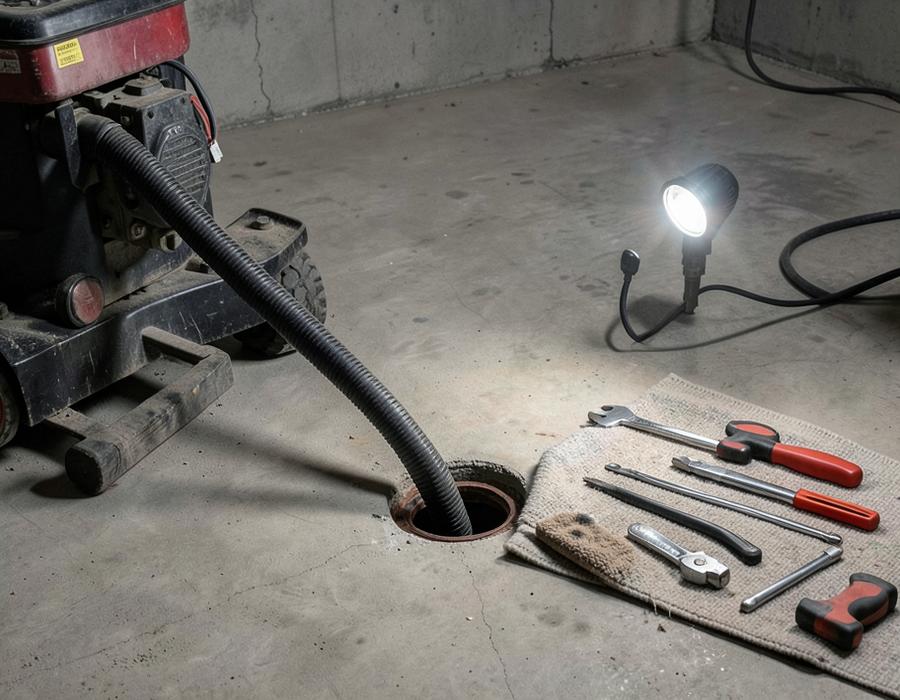
Active Sewer Backup? What to Do
When wastewater backs up into basements, floor drains, or plumbing fixtures, taking immediate steps helps protect your property and household health:
- 1Stop Water Usage Across the Home: Do not run faucets, showers, or appliances, and avoid flushing toilets to prevent wastewater from overflowing lower-level drains.
- 2Avoid Direct Contact with Wastewater: Keep household members and pets away from contaminated areas and standing water.
- 3Avoid Pouring Chemical Drain Openers: Chemicals cannot resolve structural pipe damage or severe blockages and create hazards for servicing technicians.
- 4Call for Professional Plumbing Service: For active wastewater emergencies or immediate property hazards, our emergency plumbing dispatch is available 24 hours a day, 7 days a week. Routine diagnostic camera evaluations are scheduled during standard service hours.
When a Sewer Camera Inspection May Help
Underground sewer and drain lines are hidden from view. Guessing the cause of repeated drainage issues can lead to repeated cleanings that fail to address an underlying pipe defect. A professional in-line sewer camera inspection provides direct visual findings inside the pipe.
Recurring Drain or Sewer Backups
If the same line clogs repeatedly within weeks or months of being cleared, an inspection helps identify whether a physical defect is snagging debris.
Multiple Fixtures Backing Up
When toilets and floor drains back up simultaneously, the issue typically sits in the main sewer lateral rather than an isolated branch.
Suspected Tree-Root Intrusion
Roots can penetrate pipe joints seeking moisture. An inspection reveals whether roots are present and how heavily they restrict flow.
Suspected Pipe Damage or Settlement
Ground movement and freeze-thaw cycles can cause buried lines to shift, crack, or sag. An inspection evaluates pipe alignment and wall condition.
Unknown Line Condition in Older Buildings
Aging piping materials deteriorate over time. Visual evaluation clarifies interior scaling, bottom channeling, and pipe stability.
Pre-Purchase Due Diligence
A camera inspection may also be useful when evaluating the condition of a sewer lateral before a property purchase.
What a Sewer Camera Can Show
During an in-line camera evaluation, a technician navigates specialized equipment through accessible piping while monitoring a real-time visual feed. The inspection may reveal several observable conditions:
Tree-Root Intrusion
The camera can show whether root strands or root masses have entered through pipe joints, identifying where intrusion occurs and how much volume is obstructed.
Physical Blockages
Visible buildup such as grease accumulation, heavy soap residue, paper masses, or foreign objects lodged in the pipe can be directly identified.
Misaligned & Offset Joints
When rigid pipe segments shift due to soil movement, an offset joint forms a lip that catches solids and frequently causes recurring backups.
Visible Cracks & Fractures
The camera can display visible stress cracks, longitudinal fractures, or crushed sections in accessible pipe walls before complete failure occurs.
Pipe Sags & Standing Water
When ground settles beneath a sewer line, a low section ("belly") can form. The camera shows where standing water remains trapped after fixtures stop running.
Interior Corrosion & Rust Scaling
In older metal drain lines, internal rust scaling creates rough surfaces that snag debris. In advanced stages, corrosion channels along the pipe invert.
Drain Blockage or Structural Pipe Problem?
A primary goal of sewer camera diagnostics is distinguishing between a temporary flow obstruction and an underlying structural failure:
Flow Obstruction (Blockage)
When the camera confirms that the pipe structure remains sound, the issue is typically an obstruction caused by grease, foreign objects, or paper buildup.
In these situations, mechanical snaking or targeted clearing can restore normal wastewater flow. If heavy wastewater or standing water blocks visibility, mechanical clearing may be required before a complete visual inspection can be performed. Learn more about our drain cleaning services.
Structural Pipe Defect
When the camera reveals physical damage—such as a sheared joint, cracked wall, or collapsed section—mechanical snaking only provides short-lived relief because debris continues catching on the defect.
Resolving structural defects requires physical repair rather than repeated cleaning. Technicians review the video findings during the inspection and explain what the visible conditions may indicate. For localized spot repairs or sectional replacements, visit our Sewer Line Repair & Replacement service.
How Camera Findings Guide the Next Step
Once an inspection is completed, the visual evidence helps determine an appropriate path forward:
Targeted Cleaning vs. Structural Work
If the pipe is physically sound, routine mechanical cleaning is recommended. If structural damage is visible, technicians can evaluate whether a localized spot repair or broader pipe replacement is appropriate. Diagnostic findings may also be documented as part of the service record.
Location Information for Repair Planning
Where supported by available diagnostic equipment, location information may help guide repair planning. The inspection may help identify the approximate area of a problem so that if excavation is necessary, it can be targeted to the affected section.
Domestic Water-Supply Boundary
Sewer cameras inspect drain and sewer piping. They are not used to inspect pressurized domestic water-supply lines. If you suspect a hidden leak in clean water pipes, our water leak detection service deploys acoustic and thermal diagnostic tools to locate pressurized pipe leaks.
What a Sewer Camera Inspection Cannot Tell You
While in-line video camera technology is an indispensable diagnostic tool, it has practical limitations that homeowners should understand:
- Visual Surface Evaluation Only: The camera evaluates only the accessible interior surface of the pipe wall. It cannot assess soil conditions outside the pipe.
- Visibility Requires Flow: Heavy blockage or standing wastewater may limit visibility until flow is restored.
- No Guarantee of Future Performance: An inspection documents conditions visible at the time of service, but cannot guarantee future pipe performance or predict ground movement.
- Existing Access Requirement: A technician uses an appropriate existing access point to inspect accessible drain or sewer piping.
Sewer Camera Inspection & Anchorage Private Laterals
In Anchorage, understanding the layout of your sewer service line is essential when addressing recurring drainage issues. Property owners are generally responsible for the private sewer lateral serving their property, while AWWU maintains the public sewer main. Exact responsibility can depend on the location and nature of the problem.
Winter ground conditions, aging piping, tree-root intrusion, and ground movement can affect buried sewer lines in Anchorage. A camera inspection helps clarify where a problem appears to be located relative to the property and the main.
Frequently Asked Questions
Common questions about sewer camera inspections, diagnostic scoping, and underground drain evaluations in Anchorage.
- What does a sewer camera inspection show?
- A sewer camera inspection visually evaluates the interior of accessible drain and sewer piping. It can reveal tree-root intrusion, misaligned or offset pipe joints, low spots holding standing water, visible cracks, corrosion or rust scaling, and physical blockages.
- When might a sewer camera inspection be useful?
- A camera inspection is especially useful when drains back up repeatedly after being snaked, when multiple plumbing fixtures back up at the same time, when sewer gas odors persist, or as part of due diligence when evaluating a sewer lateral before purchasing a property.
- Can a sewer camera identify tree roots or visible pipe damage?
- Yes. The camera transmits a real-time visual image of the pipe interior, allowing the technician to see whether tree roots have entered through pipe joints or whether accessible sections of pipe have fractured or slipped out of alignment.
- Does a sewer line need to be cleared before a camera inspection?
- If the line is currently backed up with heavy wastewater or standing sewage, the camera lens cannot see clearly through the murky liquid. In those situations, mechanical clearing may be required before a complete visual inspection can be performed. If wastewater is flowing normally, no preliminary clearing is necessary.
- Can a sewer camera inspect domestic water-supply lines?
- No. Sewer cameras are designed for larger drain, waste, and sewer piping. They are not used to inspect pressurized domestic water-supply lines. For hidden potable water leaks, specialized equipment is deployed through our dedicated water leak detection service.
- What happens if the camera shows structural pipe damage?
- If the camera reveals physical damage such as a broken pipe, sheared joint, or crushed section, the technician reviews the visual findings with you. Depending on the extent and location of the problem, targeted spot repair or broader pipe replacement may be recommended through our Sewer Line Repair & Replacement service.
Related Drain & Sewer Services
Explore related plumbing solutions for residential and commercial properties in Anchorage:
$25 OFF
Your First Service
Use Code: 907SAVE
Don't wait until a small plumbing or heating problem becomes a big repair. Book your service today.
Book Your Service Now