
Frozen Pipe Repair & Thawing Services in Anchorage, AK
907 Heating and Plumbing provides 24/7 frozen pipe repair, safe water-line thawing, and burst pipe restoration across Anchorage, Alaska and surrounding communities within a 50-mile radius. Available day and night for residential and commercial plumbing freezes, our technicians locate blockages, repair split lines, and restore water flow with no extra charge for nights or weekends. Call (877) 570-8952.
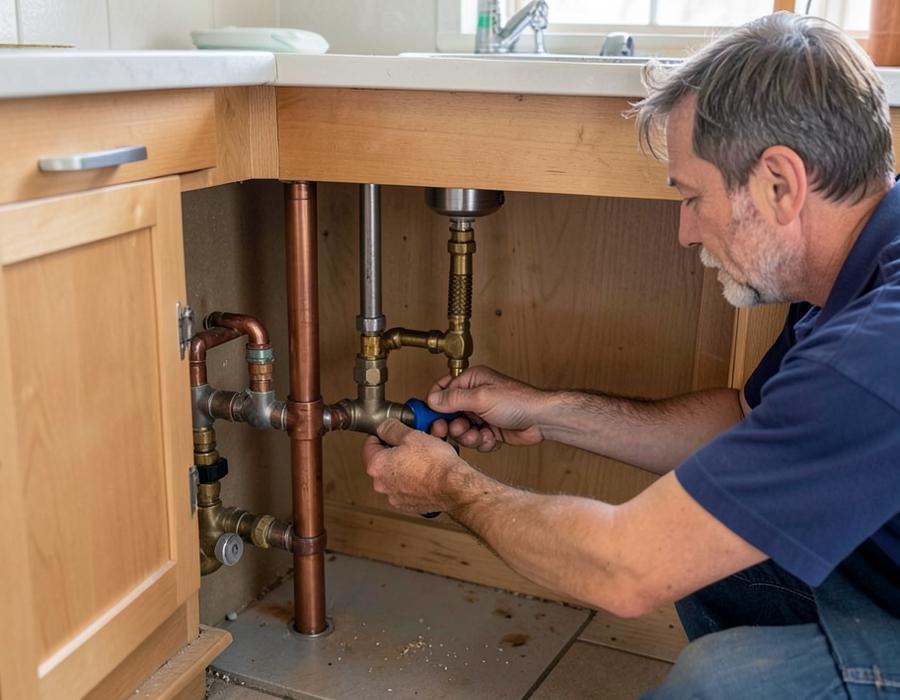
Immediate Emergency Steps: What to Do If You Suspect Frozen Pipes
When sub-zero weather threatens your plumbing, taking immediate, low-risk safety steps protects your household and reduces water damage before a technician arrives:
- 1Shut Off the Main Water Supply: If a pipe has visibly split, is dripping, or begins spraying as temperatures rise, locate your property's main water shutoff valve immediately and turn it off. Shutting off the supply stops pressurized municipal water from flooding your living areas once the ice plug melts.
- 2Stop Using Affected Fixtures: Keep faucets on frozen lines turned off if you cannot monitor them. Leaving faucets unattended can result in unexpected flooding when ice blockages thaw while occupants are away or asleep.
- 3Stay Clear of Electrical Hazards: Never touch electrical breaker panels, light switches, or plug-in appliances in rooms, basements, or crawlspaces containing standing water. Water contacting electrical wiring poses severe shock risks.
- 4Allow Safe Ambient Warmth: Open vanity doors under sinks along exterior walls so ambient heated indoor air can circulate around plumbing runs. Ensure accessible living spaces are kept heated.
- 5Never Use Open Flames or Torches: Do not use blowtorches, propane heaters, or high-intensity open heat sources. Direct flame heat is an extreme structural fire hazard and causes thermal shock that can violently rupture metal and plastic pipes.
- 6Call for 24/7 Professional Service: If the frozen line is in a crawlspace, behind drywall, or leaking, call our technicians at (877) 570-8952. Our team provides professional thawing and pipe repair day and night across Anchorage with no extra charge for nights or weekends.
Signs You May Have a Frozen Water Pipe
During cold weather in Anchorage, frozen pipes do not always present with visible ice. Recognizing subtle warning signs early allows you to address the blockage before expanding ice splits the pipe seam:
No Water or Weak Water Flow
A faucet that worked normally the previous evening but produces only a faint trickle or no water on a cold morning may indicate a developing ice blockage restricting flow along that supply branch.
Visible Frost on Safely Accessible Lines
Visible frost, heavy condensation beads, or an ice-cold surface on exposed pipes in utility rooms or basements can be associated with sub-freezing localized temperatures affecting the water line.
Localized Outages on Exterior Walls
When a kitchen sink or bathroom along an exterior wall loses water while interior fixtures still operate, this pattern often points to a freeze isolated to an exterior wall chase or cantilevered floor section.
Water Appearing as Temperatures Rise
Damp spots on drywall, water dripping from ceilings, or running water sounds that begin when outdoor temperatures warm up strongly indicate that an ice plug has thawed and exposed a split seam.
Frozen Pipe vs. Burst Pipe: Understanding the Difference
Many property owners wonder whether every frozen pipe is broken. Understanding the distinction helps you take appropriate action:
Ice Blockage Restricts Flow
In a frozen pipe, water inside the line has solidified into ice, preventing water from flowing through faucets. The pipe wall itself may still be intact and undamaged. With safe, controlled professional thawing, water flow can often be restored without needing pipe replacement.
Pipe Wall Has Physically Split
A burst pipe occurs when expanding ice forces a longitudinal split in a copper, galvanized, or plastic pipe wall, or cracks a soldered fitting. Crucially, a burst pipe often does not leak while frozen because the ice itself plugs the fissure. Leaking typically begins once the ice melts.
Professional Frozen Pipe Diagnosis & Thawing Services
907 Heating and Plumbing provides complete winter plumbing support for residential and commercial properties across Anchorage. Rather than risking fire hazards with torches or tearing down finished walls, our technicians follow safe, systematic protocols:
1. Non-Destructive Freeze Diagnosis
We trace plumbing layouts to locate the exact frozen section with minimal access disruption. Identifying whether the blockage is inside an unheated crawlspace, behind an exterior wall, or in a utility space guides the safest thawing approach.
2. Controlled, Material-Appropriate Thawing
Our technicians utilize controlled, safe heating methods suited to copper, PEX, or galvanized lines. We work systematically from the fixture back toward the blockage so melting water can flow safely out of the system without creating internal pressure spikes.
3. Pressure Monitoring & Damage Inspection
As the ice blockage melts and municipal water pressure returns, we carefully monitor the pipe run for hairline fractures, pinhole splits, or failing joints that require immediate repair.
4. Permanent Sectional Repair & Repiping
If expanding ice has split a pipe or damaged a fitting, we excise the damaged segment and install code-compliant replacement piping. If an entire section has deteriorated, we provide recommendations for lasting repair.
Anchorage Winter Dynamics: Why Local Pipes Freeze
Southcentral Alaska experiences severe winter cold periods with sustained sub-zero temperatures, temperature inversions across the Anchorage Bowl, and strong winds off the Chugach Mountains. Certain architectural features common in local homes are particularly vulnerable to freezing:
Unheated Crawlspaces & Foundation Vents
Crawlspaces with unsealed or damaged foundation vents allow sub-zero outdoor air to circulate directly around suspended water supply lines, chilling pipes below the freezing point.
Cantilevered Architectural Bump-Outs
Kitchen sinks and bathroom vanities located in cantilevered exterior sections hang beyond the foundation footprint, exposing supply lines to freezing air from below and behind.
Uninsulated Rim Joist Cavities
Where floor joists rest on concrete foundation stems, drafts can penetrate settled or missing insulation, freezing water lines routed near perimeter framing.
Unheated Garages & Additions
Pipes routed through cold garages, unheated utility spaces, or additions often lack sufficient thermal protection during extended sub-zero weather.
Heating System Outages & Frozen Pipe Risks
In Anchorage, water pipe freezes frequently occur following a heating breakdown. When an oil or gas heating system experiences an unexpected lockout or power disruption during winter weather, indoor temperatures can decline quickly. Hydronic baseboard loops and domestic supply lines in exterior walls become vulnerable to freezing when home heat is lost.
If your home has lost heat and you suspect your water or heating pipes are beginning to freeze, our technicians handle both heating restoration and plumbing repair. Learn more about our boiler repair services and furnace repair options.
Anchorage Water Utility (AWWU) Service Boundaries
Property owners in Anchorage often ask who is responsible when an underground water service line freezes during cold weather:
AWWU Utility Responsibility
The Anchorage Water & Wastewater Utility (AWWU) maintains the municipal water main beneath the street up to the keybox (the municipal curb stop shutoff valve, typically located near the property line or street right-of-way).
Private Property Responsibility
The property owner is responsible for the private water service extension that runs from the keybox into the building. If a water service line freezes between the keybox and the building, private professional plumbing service is required.
In an extreme burst emergency where an indoor main shutoff valve cannot be operated, property owners can contact AWWU Customer Service at (907) 564-2700 to request an emergency street keybox shutoff. For private thawing and pipe repairs, contact 907 Heating and Plumbing at (877) 570-8952.
Pipe Repair & Replacement After Freezing
When a frozen pipe thaws and begins leaking, prompt repair is necessary to stop water damage. Our technicians isolate the damaged pipe run, remove split sections, and install code-compliant replacement piping:
24/7 Frozen Pipe Repair Serving Anchorage & 50-Mile Radius
907 Heating and Plumbing provides round-the-clock emergency frozen pipe repair and thawing services throughout Anchorage and surrounding Southcentral Alaska communities:
Frequently Asked Questions About Frozen Pipes in Anchorage
- How can I tell if my water pipe may be frozen?
- The most common sign is turning on a faucet during sub-zero weather and getting only a weak trickle or no water at all. Other warning signs include visible frost or condensation on exposed piping in crawlspaces, basements, or utility rooms, and localized water loss affecting only fixtures near exterior walls while interior fixtures continue operating normally.
- Can a frozen pipe leak after it thaws?
- Yes. Water expands as it freezes, which can split a pipe wall or crack a fitting. While frozen, the ice plug can act like a temporary seal, preventing water from escaping. Once temperatures rise or the line is thawed, pressurized water flows through the split and causes leaking. Inspecting lines during and after thawing is essential.
- Should I shut off my water if a frozen pipe starts leaking?
- Yes. If you observe water leaking, spraying, or pooling as a pipe warms up, locate your main water shutoff valve immediately and close it. Turning off the water supply stops pressurized flow and limits structural water damage until our technicians arrive.
- What should I avoid doing with a frozen pipe?
- Never use an open flame blowtorch, propane heater, or high-intensity open heating device. Open flames create a severe fire hazard and can cause dangerous steam pressure inside pipes. Additionally, never touch electrical panels or use plug-in electric equipment in areas with standing water.
- Can a heating failure increase the risk of frozen pipes?
- Yes. When a boiler or furnace stops running during sub-zero Anchorage weather, indoor building temperatures can drop below freezing. Hydronic heating loops and plumbing supply lines running through exterior walls or unheated crawlspaces become vulnerable to freezing very quickly when heat is lost.
- Do you charge extra for frozen-pipe service on nights or weekends?
- No. 907 Heating and Plumbing provides 24/7 emergency service with no extra charge for nights or weekends throughout Anchorage and our 50-mile service radius.
Need Help With a Frozen or Leaking Pipe in Anchorage?
When sub-zero weather leaves your property without water or causes a line to split, waiting until normal business hours is not an option. Our Anchorage technicians are on call 24 hours a day, 7 days a week to locate blockages, thaw lines safely, and repair damaged pipe sections.
$25 OFF
Your First Service
Use Code: 907SAVE
Don't wait until a small plumbing or heating problem becomes a big repair. Book your service today.
Book Your Service Now