What Dissolves Tree Roots in Sewer Lines? (Chemicals vs Jetting)
Master Plumber & Heating Team
Licensed Alaska Mechanical Contractor · Anchorage, Alaska
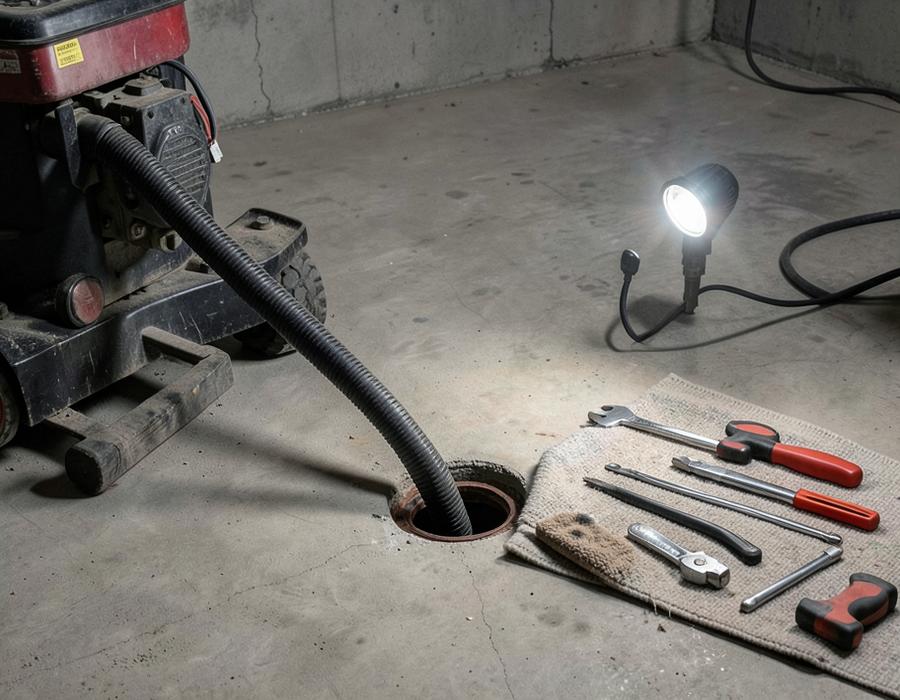
No chemical instantly 'dissolves' thick tree roots overnight. Dichlobenil foaming herbicides dehydrate and kill fine root hair fibrils within 72 hours, causing them to decay over 6-9 weeks. Thick woody root masses must be cut out mechanically with heavy-duty root-cutting sewer machines or sliced with 4,000 PSI rotating hydro-jet nozzles.
Key Takeaways at a Glance
- Chemicals are preventative inhibitors, not instantaneous drain open solutions.
- Never pour strong sulfuric acid down main sewer lines; it will not dissolve woody roots and can melt PVC or crack cast iron.
- Hydro-jetting with a rotating Warthog root-cutting nozzle slices 2-inch roots cleanly flush against the pipe wall.
- Follow mechanical hydro-jetting with foaming herbicide 30 days later to prevent root regrowth at pipe joints.
Understanding What Dissolves Tree Roots in Sewer Lines?
Essential Principles of Drain Cleaning
No chemical instantly 'dissolves' thick tree roots overnight. Dichlobenil foaming herbicides dehydrate and kill fine root hair fibrils within 72 hours, causing them to decay over 6-9 weeks. Thick woody root masses must be cut out mechanically with heavy-duty root-cutting sewer machines or sliced with 4,000 PSI rotating hydro-jet nozzles.
Whether tackling routine home maintenance or managing complex commercial installations, understanding the core mechanical and thermodynamic principles behind what dissolves tree roots in sewer lines? (chemicals vs jetting) prevents costly property damage, repeated callbacks, and premature component failure.
In colder regions like Southcentral Alaska, temperature fluctuations, deep soil frost lines, and municipal vs. private well dynamics introduce unique stresses that demand strict adherence to code standards and proper material selection.
Step-by-Step Diagnostic & Best Practices Procedure
Field-Tested Methodology
Follow this sequential checklist used by licensed plumbing and heating professionals to ensure safe execution, accurate diagnostics, and leak-free operation:
Preparation & System Inspection
Visually examine the surrounding piping, connections, and electrical wiring for signs of corrosion, stress cracking, thermal discoloration, or slow seepage.
Proper Tool & Component Selection
Ensure replacement fittings, sealants, gaskets, or diagnostic meters meet ASME, ANSI, and local UPC/IPC plumbing standards for your specific application.
Methodical Execution & Tightening
Follow manufacturer torque specifications. Avoid over-tightening threaded brass or plastic components, which induces hairline hoop fractures over time.
Pressure Testing & Observation
Slowly restore pressure, purge trapped air from the lines, and monitor the assembly under static and active dynamic flow for a minimum of 15 minutes.
| Evaluation Metric | Standard Recommended Value | Warning Sign | Corrective Action |
|---|---|---|---|
| Operating Pressure | 45 - 65 PSI | > 80 PSI or < 30 PSI | Adjust PRV or install booster pump |
| Material Compatibility | Lead-free brass, copper, Uponor PEX | Mixed dissimilar metals without dielectric | Install dielectric unions or brass transitions |
| Thread Sealing | 3-5 wraps PTFE tape + paste dope | Dry threads or over-taped straight threads | Re-wrap clockwise on tapered NPT only |
| Thermal Protection | R-10 pipe insulation + self-regulating heat trace | Exposed uninsulated pipe in cold spaces | Insulate and seal drafty crawlspace penetrations |
Code Compliance & Environmental Safety Guidelines
Avoiding Common Pitfalls & Inspection Failures
Plumbing systems are strictly regulated under municipal and national codes (such as the Uniform Plumbing Code, International Residential Code, and Alaska Administrative Code) for good reason: improper installations create severe cross-contamination, sewer gas migration, and catastrophic flood risks.
Always check for local municipal amendments before undertaking structural modifications to floor joists, expanding septic absorption beds, or altering gas piping.
Calculate Your Numbers Directly
Need Hands-On Help From a Licensed Plumber?
Frequently Asked Questions (PAA)
Talk With a Local Plumber
Serving the Municipality of Anchorage, Mat-Su, and surrounding Alaskan communities.
Sub-Zero Emergency?
Frozen water lines, burst pipes, and lost heat require rapid response to avoid severe water and structure damage.
Call (877) 570-8952Serving Anchorage & Mat-Su Communities
Need Professional Help?
Fast, Reliable Heating & Plumbing Across Anchorage & Mat-Su
Our licensed Alaskan technicians are on standby 24/7 for emergency repairs, installations, and seasonal maintenance.