
Sump Pump Repair & Installation in Anchorage, AK
24/7 emergency repair, cast-iron submersible pump replacements, dual-pump battery backups, and freeze-proof exterior discharge systems engineered to protect Anchorage foundations through spring breakup.
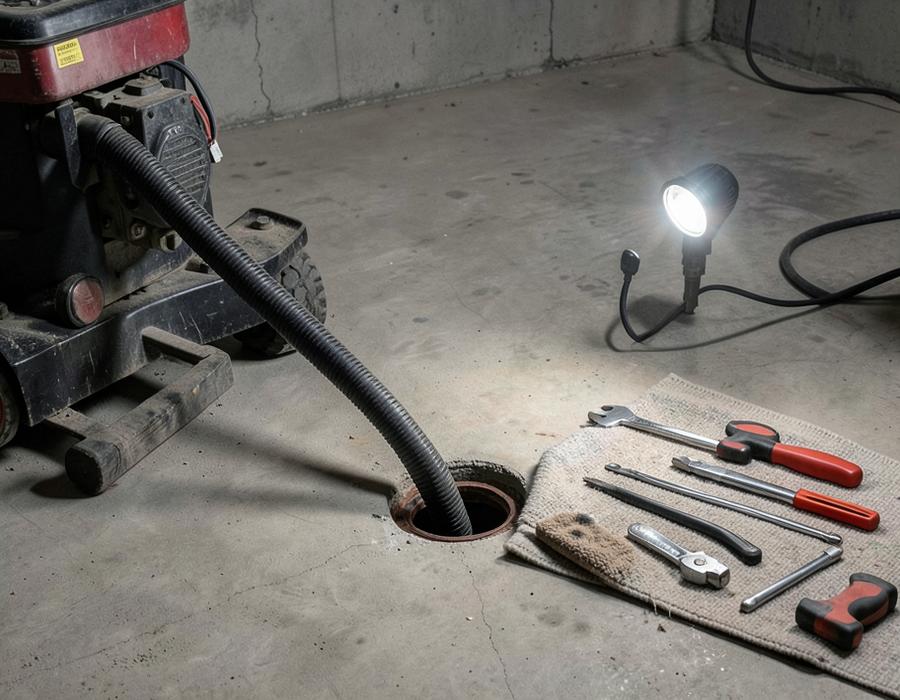
Reliable Foundation Protection
Engineered for Alaskan Freeze-Thaw
From deep frozen winter subsoils to intense spring breakup melt, our heavy-duty pumping systems keep crawlspaces and basements dry year-round.
Comprehensive Sump Pump & Crawlspace Drainage Solutions
Whether your pump stopped working during a storm or your crawlspace requires a complete new mechanical basin installation, we deliver engineered dewatering solutions:
24/7 Fast Mechanical Dispatch
1. Emergency Troubleshooting & Diagnostics
Rapid diagnosis and repair for jammed vertical float switches, failed motor capacitors, debris-clogged vortex impellers, seized check valves, and tripped electrical circuits before rising water damages crawlspaces or basements.
Continuous Duty Sump Replacement
2. Heavy-Duty Submersible Pumps
Cast-iron submersible pumps rated from 2,500 to over 5,000 GPH. Engineered with oil-filled thermal overload motors, cast-iron vortex impellers capable of handling silt and solids, and silent spring-loaded check valves.
Storm & Outage Security
3. Dual-Pump Battery Backup Systems
Severe Southcentral Alaska windstorms and winter blizzards knock out power grids when groundwater is highest. We install dual-pump stations with industrial deep-cycle battery backups for 24 to 48 hours of emergency protection.
Gravel Bedding & Airtight Sealed Lids
4. Perforated Basin & Sump Pit Installation
Excavating and setting heavy-gauge structural foam basins lined with washed drainage rock to filter out fine glacial silt. Topped with gasketed airtight lids that seal out soil gases, moisture, and odors.
Ice Relief Ports & Gravity Sloping
5. Freeze-Proof Exterior Discharge Lines
Preventing winter ice blockages that burn out pump motors. We engineer steep gravity-pitched lines, wall insulation thimbles, self-regulating heat trace cable, and specialized exterior freeze-relief fittings.
Eliminating Hydraulic Backflow
6. Check Valve & Flow Cycle Verification
Installing heavy-duty silent flapper check valves that eliminate water hammer vibrations and prevent pumped water from falling back into the pit, reducing motor cycling and extending mechanical pump life.
Alaska Spring Breakup: Defending Against Rapid Snowmelt
Spring breakup in Southcentral Alaska—typically occurring from late March through mid-May—presents extreme challenges for home foundations. When winter snowpack melts rapidly under warming temperatures, tens of thousands of gallons of surface runoff saturate the top layer of soil.
Crucially, the ground beneath remains frozen solid 3 to 6 feet deep, forming an impermeable barrier that stops water from percolating downward. This creates an elevated, perched groundwater table that channels intense hydrostatic pressure directly against foundation footings and under crawlspace vapor barriers.
High-Risk Anchorage Neighborhoods
Low-lying areas, creek corridors, and neighborhoods with dense clay soils—including Turnagain, Spenard, Campbell Creek, and Midtown—experience heavy hydrostatic groundwater surges during breakup, requiring dedicated high-volume submersible pumping capacity.
Freeze-Proof Discharge Engineering
Why standard exterior discharge pipes fail in cold climates, and how we prevent ice dams:
1. Freeze-Relief Escape Ports
An external discharge tee allows water to escape freely outside if the buried line freezes downstream, preventing pump deadhead.
2. Steep Downward Gravity Slope
Lines drain completely after each pump cycle, leaving zero standing water inside the pipe to freeze into an ice blockage.
3. Heat Trace Cable Integration
Self-regulating heating cables for high-exposure exterior walls or shallow lines preventing freeze-ups during sub-zero cold snaps.
Our Phased Sump Pump Installation & Diagnostic Process
We apply rigorous mechanical standards to every crawlspace and basement dewatering project:
Inflow Rate & Foundation Drainage Evaluation
We inspect your crawlspace or basement contour to locate the natural water accumulation point, assess groundwater inflow rates, measure static head height, and size the appropriate pump horsepower (1/3 HP to 3/4 HP).
Basin Excavation & Aggregate Bedding
We excavate the sump pit, bed the bottom and sidewalls in washed drainage gravel to filter fine glacial silt, and set a heavy-duty perforated poly basin securely to prevent buoyant shifting.
Mechanical Plumbing & Check Valve Assembly
The pump is elevated on a solid stand above silt deposits, piped with Schedule 40 PVC, and fitted with a quiet-closing check valve and quick-disconnect union for easy future maintenance.
Dual-Float Testing & Backup Commissioning
We cycle the pump under real water load, test primary and secondary float switches, simulate an electrical grid outage to confirm instant battery backup activation, and secure the airtight gasketed lid.
Related Plumbing & Drainage Services
Protecting home foundations requires coordinated diagnostic, drainage, and emergency response solutions:
Immediate Dispatch
24/7 Emergency Plumbing
Fast emergency response for active crawlspace flooding, ruptured lines, and mechanical drainage failures across Anchorage.
Non-Invasive Diagnostics
Water Leak Detection
Acoustic and thermal leak detection to verify whether standing crawlspace water stems from groundwater or pressurized supply pipe leaks.
Drainage Maintenance
Drain Cleaning & Cabling
Clearing exterior foundation drain lines, perimeter French drains, and interior gravity waste piping of silt and debris.
Crawlspace Dewatering & Pumping Capacity Calculators
Calculate gallons-per-minute flow conversion, pit cycle storage capacity, and discharge volume requirements to properly size 1/3 HP, 1/2 HP, or 3/4 HP submersible sump pumps.
Anchorage Groundwater & Breakup Hotspots
These low-lying areas experience the highest crawlspace hydrostatic pressure during April and May breakup:
Sand Lake & Jewel Lake
High water tables near lake basins, peat soil moisture, and heavy spring sump demands.
Turnagain Coastal Bluff
Sub-slab groundwater pressure, Bootlegger Cove clay drainage, and freeze-proof discharge runs.
Campbell Creek & Abbott Loop
Stream runoff overflow protection, dual pump check-valve arrays, and battery backups.
Spenard & Lake Hood
Shallow aquifer crawlspaces, commercial dewatering pits, and float switch replacements.
Frequently Asked Questions About Anchorage Sump Pumps
Essential questions on pump operation, spring breakup challenges, freeze protection, and battery backups.
- Why is my sump pump running constantly during spring in Anchorage?
- During Southcentral Alaska's spring snowmelt ('breakup' in April and May), rapid melting of accumulated winter snow saturates the surrounding soil, driving groundwater levels up against your home's foundation. Your sump pump may run continuously for days to evacuate incoming water and prevent crawlspace or basement flooding. However, if the pump continues running without water present, the float switch may be stuck or the check valve may be failing, allowing discharged water to flow back into the pit.
- Can a sump pump discharge line freeze in Anchorage winters?
- Yes. In Anchorage, exterior frost penetration can reach 5 to 10 feet into the ground. If a sump pump discharge pipe extends through the exterior wall and lacks adequate downward slope, insulation, or a specialized freeze-relief fitting, discharged water can freeze inside the pipe. The resulting ice block creates head pressure that prevents water from exiting, causing the pump motor to overheat and burn out while water backs up into your crawlspace.
- Do I need a battery backup sump pump in Anchorage?
- A battery backup sump pump is strongly recommended for Anchorage homes. Severe windstorms, heavy snow loads on power lines, and winter blizzards frequently disrupt electrical service. If power fails during spring breakup or during sudden winter thaw events, a primary AC-powered sump pump stops working immediately. A dedicated battery backup pump kicks on automatically to keep your foundation dry for up to 24 to 48 hours of intermittent pumping.
- How long does a sump pump typically last in an Alaskan home?
- A high-quality cast iron submersible sump pump typically lasts 7 to 10 years in Southcentral Alaska. Systems operating in aggressive silt-laden groundwater, continuous seasonal duty, or environments with inadequate basin sizing may require replacement sooner. Routine annual maintenance—cleaning the intake screen, verifying check valve operation, and testing float switches—ensures reliable performance.
$25 OFF
Your First Service
Use Code: 907SAVE
Don't wait until a small plumbing or heating problem becomes a big repair. Book your service today.
Book Your Service Now