
Winter in cold areas brings snow, ice, and cozy nights indoors. But it also means higher risks for your plumbing system. As a homeowner in snowfall regions, you might face sudden water issues that disrupt daily life. That’s where reliable winter plumbing services come in.
At 907 Heating and Plumbing, we specialize in handling these challenges with expertise built from years in cold climates.

In this guide, we’ll explain common winter plumbing problems in simple terms. We’ll cover how to spot them, prevent them, and fix them safely. You’ll learn why hiring a professional plumber for cold climates makes sense. Our goal is to help you avoid costly repairs and keep your home warm and functional all season.
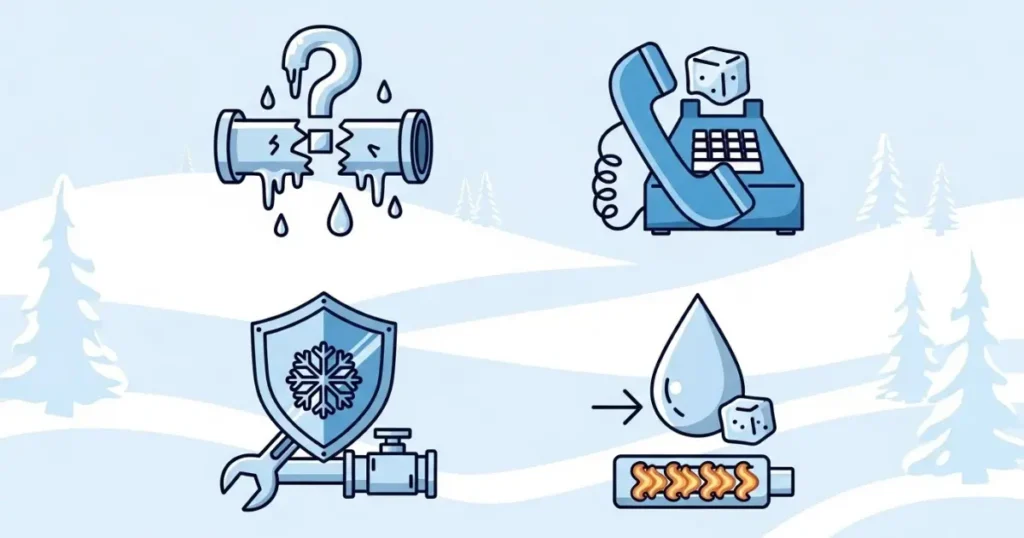
First, let’s define key terms clearly. Frozen pipes are water lines that turn to ice when temperatures drop below freezing. This blocks water flow and can cause pressure buildup.
Burst pipes happen when frozen water expands and cracks the pipe, leading to leaks or floods once it thaws. Winter plumbing maintenance involves regular checks and preparations to protect your system from cold weather damage. Emergency plumbing services are fast-response help for urgent issues like no water or flooding during winter storms.
How Snowfall and Freezing Temperatures Affect Plumbing Systems
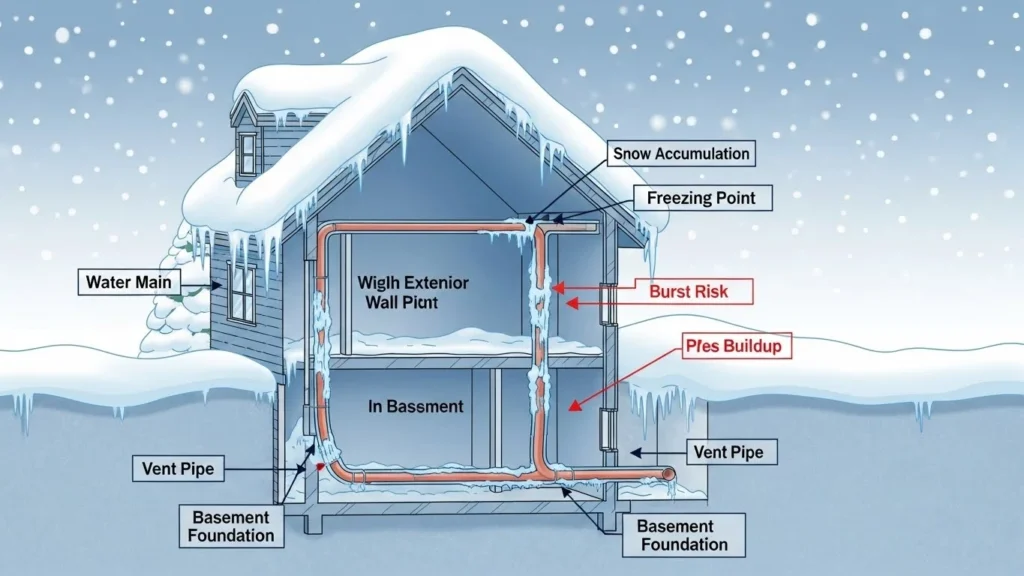
Snowfall and freezing temperatures hit plumbing hard in cold areas. Water inside pipes can freeze solid when exposed to cold air. This often happens in unheated spaces like basements, attics, or exterior walls.
Why does this matter?
Frozen water expands by about 9%, putting stress on pipes. Metal or plastic pipes can crack under this pressure. Snow buildup insulates the ground but can chill above-ground lines faster.
In regions with heavy snow, like Alaska or the Midwest, homes face more risks. Wind chill speeds up freezing, and power outages during storms make things worse. Without heat, indoor pipes cool quickly. This leads to common issues like low water pressure or complete shutoffs.
Homeowners notice problems first in faucets farthest from the water heater. Outdoor spigots and irrigation lines are also vulnerable. Ignoring these effects can turn a small freeze into a major repair bill.
The Dangers of Frozen Pipes and Burst Pipes

Frozen pipes aren’t just inconvenient—they’re dangerous. When ice blocks flow, you might have no water for cooking, bathing, or flushing toilets. In extreme cold, this can last days.
The real threat is bursting. As ice thaws, cracks release water everywhere. Flooding damages walls, floors, and belongings. Mold grows in wet areas, creating health risks.
Burst pipes can cost thousands to fix. Insurance might cover some, but not if negligence like leaving the heat off is involved. In cold areas, quick action prevents escalation.
Checkout about Calculate Sewer Pipe Slope and Gradient Online
Small commercial properties face similar issues. Frozen pipes in offices or shops disrupt business. Property owners must act fast to avoid downtime and liability.
Why Winter Plumbing Maintenance is Critical
Winter plumbing maintenance keeps your system safe and efficient. It’s like winterizing your car—prevention saves hassle later.
Regular checks spot weak spots before they freeze. Insulating pipes, sealing drafts, and testing heaters reduce risks. In snowfall regions, this is essential.
Without maintenance, small issues grow. A dripping faucet wastes water and freezes more easily. Clogged drains compound problems in cold weather.
Maintenance builds peace of mind. It ensures heating systems work with plumbing for consistent hot water. For homes in cold climates, skipping this invites emergencies.
Think long-term: Well-maintained plumbing lasts longer. It saves on energy bills by preventing heat loss. Professional checks catch hidden problems early.
How to Prevent Pipes from Freezing in Cold Areas?
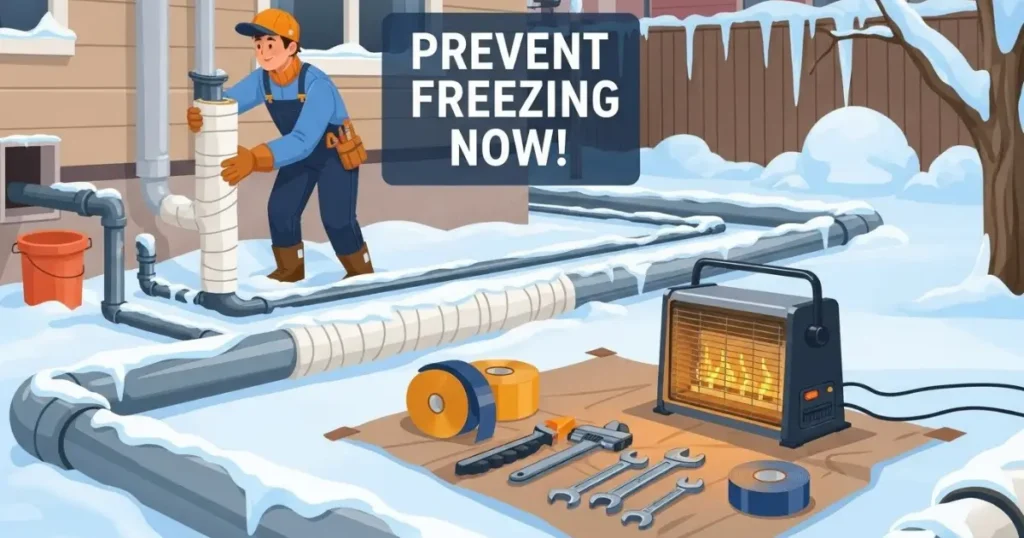
Prevention is easier than repair. Start with insulation. Wrap exposed pipes in foam sleeves or heat tape. This keeps warmth in and cold out.
Seal gaps around doors, windows, and foundations. Cold air sneaks in and chills pipes. Use caulk or weatherstripping for quick fixes.
Let faucets drip during extreme cold. A slow trickle prevents ice buildup. Focus on the sinks on the outer walls.
Keep your home warm. Set thermostats to at least 55°F, even when away. Open cabinet doors under sinks to let heat circulate.
For outdoor lines, drain hoses, and shut-off valves. Cover spigots with insulated caps. In crawl spaces, add insulation to the floors above.
Garage doors stay closed if pipes run through. Use space heaters safely in unheated areas. These steps cut freezing risks by up to 80% in cold climates.
- Insulate attics and basements thoroughly.
- Check for drafts and seal them promptly.
- Maintain consistent indoor heat levels.
- Drain and store outdoor water equipment.
- Install heat cables on vulnerable pipes.
Ways to Thaw Frozen Pipes Safely
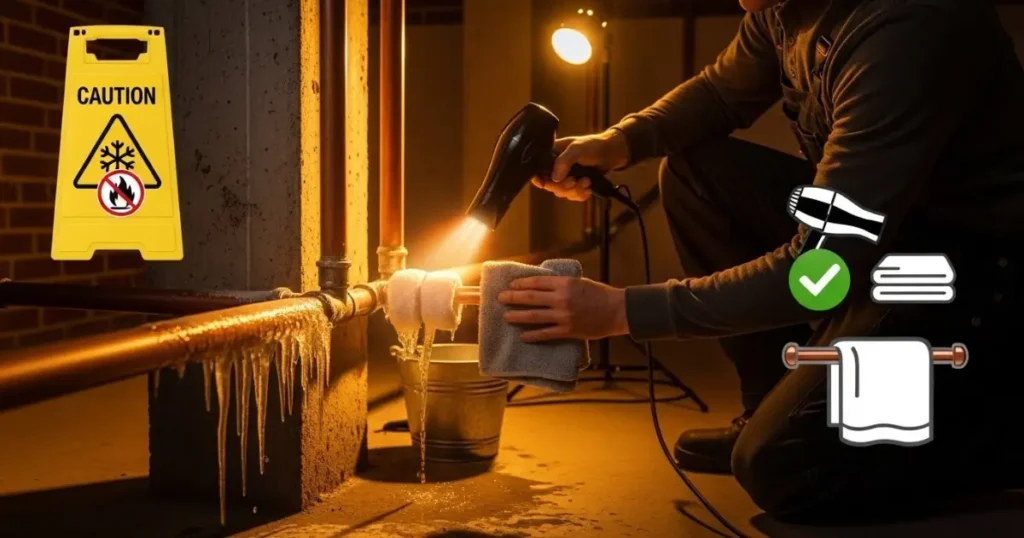
If pipes freeze, act carefully to avoid bursts. First, shut off the main water valve. This reduces pressure if cracks form.
- Open faucets to let water flow as ice melts. Locate the frozen spot—often where pipes meet cold air.
- Use gentle heat methods. A hair dryer on low blows warm air along the pipe. Wrap with hot towels, replacing as they cool.
- Electric heating pads work well for accessible pipes. Set to medium and monitor closely.
- Avoid open flames like torches—they can cause fires or melt pipes. Never use propane heaters indoors.
- If you can’t reach the pipe, raise the home temperature gradually. Use space heaters away from flammables.
Thaw slowly to prevent shocks. Check for leaks as water returns. If unsure, call for frozen pipe repair help.
Thawing Frozen Pipes in Crawl Spaces
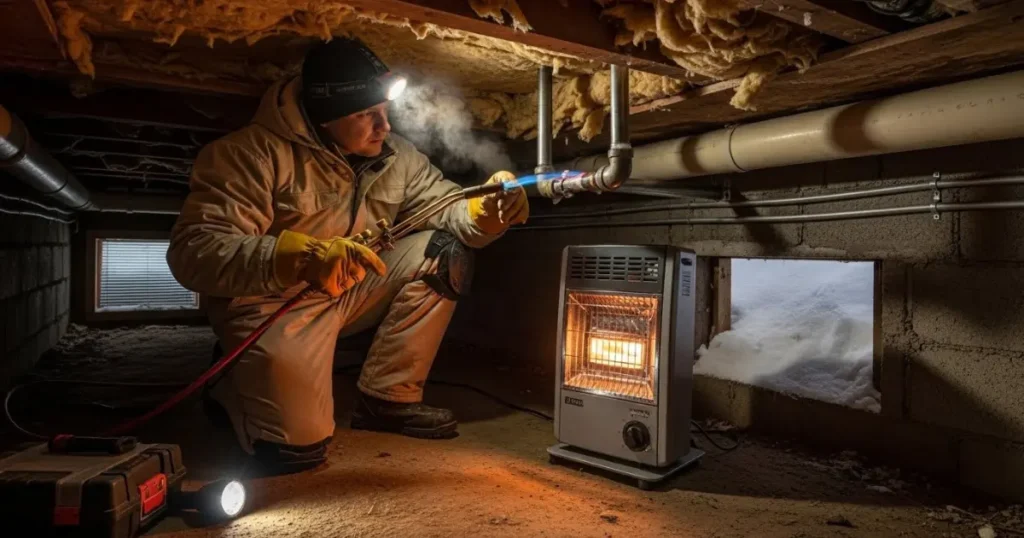
Crawl spaces are tricky in cold areas. They’re often unheated and damp, prime for freezing.
- Access safely—wear gloves and use a flashlight. Shut off water first, as always.
- Insulate the area if possible. Block vents to keep cold out during thaws.
- Use a space heater on low, aimed at pipes. Keep it elevated and plugged into a GFCI outlet.
- Hot water bottles or heating blankets wrap around pipes. Monitor for hours if needed.
- If space is tight, extend the heat with fans. But don’t crawl in if unsafe—call a pro.
- Pros have tools like pipe thawers for hard-to-reach spots. This avoids DIY risks in confined areas.
Emergency Plumbing Situations During Winter
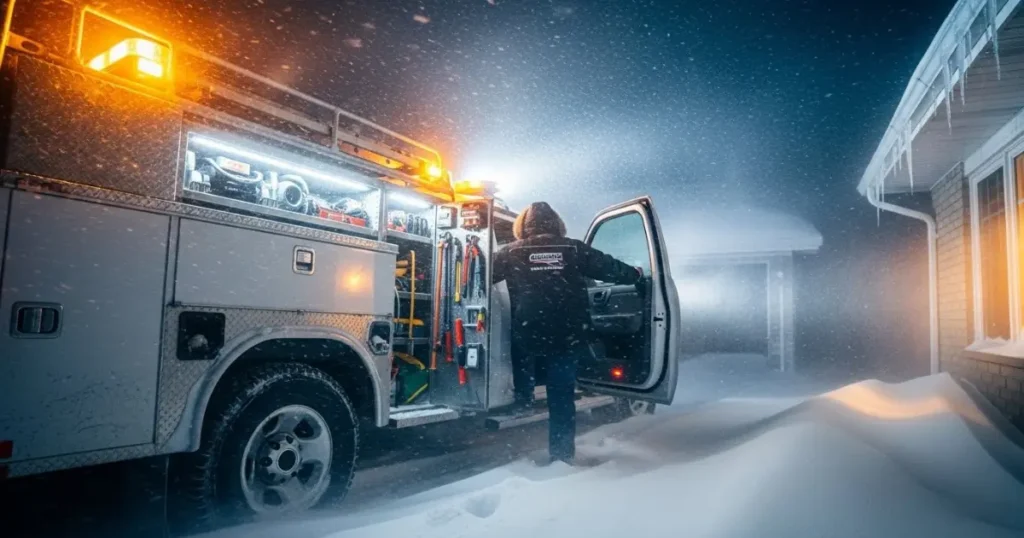
Winter brings urgent issues needing an emergency plumber in cold areas. No heat or water during storms is critical.
Signs of emergency: Sudden flooding from bursts. Strange noises like banging in pipes.
Frozen main lines affect whole homes. Sewer backups from ice cause overflows.
Power outages worsen freezes. If temps drop below 20°F, act fast.
Don’t delay—delays increase damage. Emergency services fix issues 24/7, even in the snow.
At 907 Heating and Plumbing, we respond quickly. Our teams handle blizzards to reach you.
Benefits of Hiring a Professional Plumber for Cold Climates
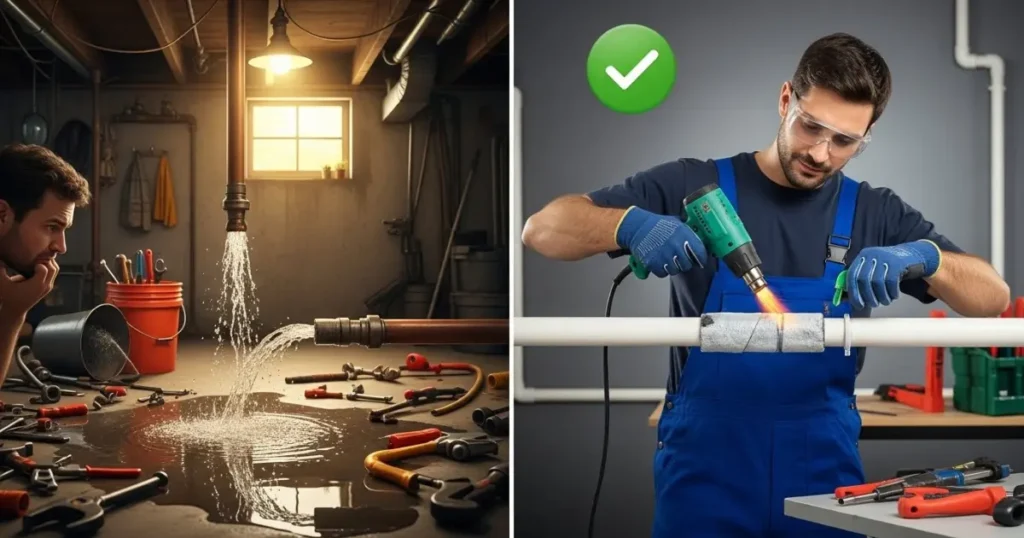
DIY fixes seem cheap but risk more damage. Pros know cold climate challenges.
We use safe tools to thaw without cracks. Experience spots hidden issues.
Hiring saves time and money long-term. We prevent repeats with maintenance tips.
Licensed plumbers ensure code compliance. Insurance often requires pro repairs.
Benefits include:
- Fast, reliable frozen pipe repair.
- Expertise in plumbing services in winter.
- Tools for tough spots like crawl spaces.
- Peace of mind with warranties.
- Advice tailored to your home.
Don’t gamble—pros handle emergencies efficiently.
Why Choose Our Plumbing Services?
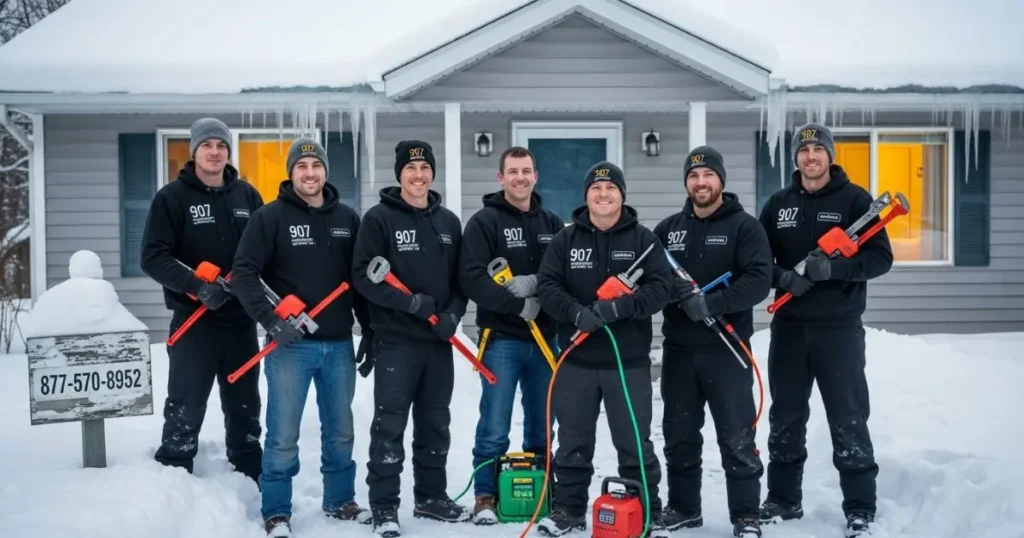
At 907 Heating and Plumbing, we stand out in cold areas. Our team has decades fixing winter woes in snowfall regions.
- We offer fast emergency response, arriving within hours. No waiting in the cold.
- Affordable pricing fits budgets. No hidden fees for winter calls.
- Our winter-specialized solutions include custom insulation and heating integrations.
- We’re local, licensed, and trusted. Choose us for reliable care.
Frequently Asked Questions (FAQ)
What Should I Do If My Pipes Freeze?
Shut off the main water immediately. Open faucets to relieve pressure. Apply gentle heat like a hair dryer. If no progress, call for emergency plumbing services. Avoid force— it can cause bursts.
How Can I Prevent Pipes from Freezing?
Insulate pipes and seal drafts. Let faucets drip in cold snaps. Keep the heat at 55°F minimum. Drain outdoor lines. Schedule winter plumbing maintenance for checks.
When Should I Call an Emergency Plumber in Winter?
Call if you have no water, flooding, or bursts. Noises in pipes or sewer issues qualify. In cold areas, don’t wait—damage spreads fast. Our team at 907 Heating and Plumbing is ready 24/7.
Are Frozen Pipes Dangerous?
Yes, they can burst and flood homes. This leads to costly repairs, mold, and health risks. In cold climates, they disrupt daily life. Prevention and quick action minimize dangers.
How Much Does Winter Plumbing Repair Usually Cost?
Costs vary by issue. Simple thawing might be $200–$500. Burst repairs range $500–$2,000, plus water damage fixes. Emergency calls add $100–$300. Maintenance prevents high bills—ask us for quotes.
Can I Thaw Pipes Myself or Always Need a Pro?
You can try safe DIY methods for accessible pipes. But for crawl spaces or unknowns, hire a professional plumber for cold climates. We avoid risks and ensure complete fixes.
What Are Signs of Frozen Pipes?
Low or no water pressure. Faucets trickle or stop. Frost on exposed pipes. Unusual cold in the walls. Act early to prevent bursts.
Ready for Winter? Contact Us Today!
Don’t let winter plumbing problems catch you off guard. At 907 Heating and Plumbing, we’re your local, licensed experts in cold climates. With fast emergency response and winter availability, we fix frozen pipe repair issues quickly.
Call now for a free winter plumbing inspection or consultation. Dial 877-570-8952—we’re here 24/7. Trust our experienced team for affordable, reliable plumbing services in winter. Protect your home today!